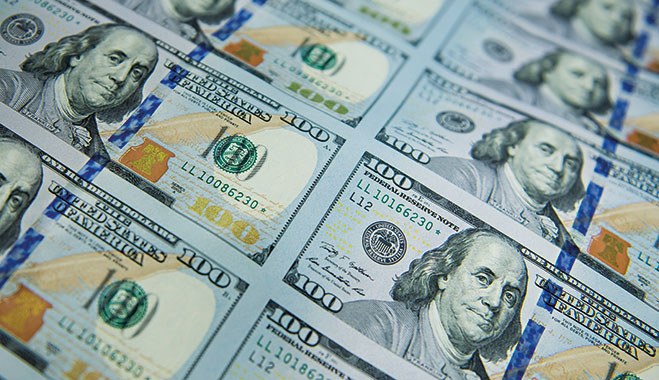
Top 10 Tips For Market Trends In Terms Of Rates And Exchange Rates For Currency.
Anyone who is involved in travel, business or investing needs to comprehend the trends in the market. Market trends refer to the general direction the economy or prices are changing over a particular time. They are influenced by various factors, including geopolitical and economic developments and consumer behaviours. Being aware of patterns in the market can aid travelers to improve their budgeting and currency exchange. Staying informed about market trends will help businesses make better decisions about pricing and aid in their strategic planning. Investors are able to use market information and patterns to make informed choices when buying or selling assets. The top ten tips are provided below for you to monitor and make use of market trends in your financial business.
1. Stay up-to-date with economic indicators
The market's trends are greatly influenced by indicators of the economy, including unemployment rates, GDP growth rates, levels, inflation and consumer sentiment. Follow these indicators on a regular basis to understand how the economy is doing and any possible changes in currency. Sites such as the Bureau of Economic Analysis and the Federal Reserve can provide you with important information that will help you to interpret the market's conditions.
2. Utilize Financial News Sources
Financial news sources like Bloomberg, Reuters and CNBC provide up-to date information about economic and market developments that impact different industries. Follow newsletters and market analysts on social media to stay informed about market shifts as well as economic forecasts and experts' opinions. These sources of information will help you make educated decisions about your business, travel, and investing strategies.
3. Leverage Online Analytical Tools
TradingView, MarketWatch and Yahoo Finance are analytical tools and platforms which provide historical data, charts and technical analysis to help discern trends in the market. These tools can help you to recognize patterns, trends and turning points that may influence the market.
4. Understanding Seasonal Trends
There are many markets that experience seasonal fluctuations that impact the price and demand. Tourism may be in high demand during certain seasons and this could affect demand for currency and exchange rate. Understanding these seasonal fluctuations can help you plan your travel budget more efficiently or adjust your business strategies to align with consumer behavior. If you know, for example, that the exchange rate will be more favorable in off-peak season You can prepare your currency exchanges in line with this.
5. Monitor Geopolitical Changes
Geopolitical events like elections, trade deals, and conflicts may affect the value of markets and currencies. Be aware of any global developments that could impact your plans for traveling or business transactions, as well as investments. Changes in currency can be triggered due to a change in policies of the government of a country. This could affect your travel budget or investment returns.
6. Use Social Media for Real-Time Updates
Twitter and LinkedIn provide real-time news and updates on the latest economic developments. Follow the top economists and analysts as well as leaders in the field to gain more insight into market trends. Joining relevant online communities can help you exchange information on the market and stay informed of any developments that could impact your financial decisions.
7. Check out old data to identify trends
– Historical data can provide valuable insight into how markets have reacted to similar conditions in the past. When you study historical trends, you can identify potential patterns and make informed predictions about future movements. Investors looking to know the long-term trends and businesses looking to create pricing strategies that take into account past consumer behaviors will find this method particularly useful.
8. Integrate Trend Analysis into your Strategy
– Trend analysis involves evaluating price historical data to discover patterns and make predictions about future trends. This can be done by tourists to observe currency trends and determine the most appropriate time to exchange their money. For companies Trend analysis can guide pricing strategies as well as marketing campaigns. Trend analysis can be used by investors to find the best entry and exit point for their investment, maximizing the potential return.
9. Diversify Information Sources
It is not advisable to solely rely on a single source of information. This could lead to a limited understanding of market developments. Make sure to diversify the sources you rely on by consulting multiple financial news sites along with economic reports as well as online analytical tools. When you gather information from different perspectives, you will be able to gain better comprehension of the market and make better decisions.
10. Talk to Financial Advisors
Consult with Financial Advisors for guidance if you're unsure how to interpret market changes or how they might affect your financial goals. They are able to offer advice that is tailored to your specific situation and can help you develop strategies that can help you navigate markets with ease. Their expertise is invaluable for anyone, whether you're a person who is looking for tips on budgeting, an investor managing your portfolio, or a business looking to improve its efficiency.
These detailed tips will help you navigate the maze of travel, business and investment management better. Knowing the market's conditions can assist you in making financial choices that align with your business or personal goals. View the top rated currency converter info for blog tips including aud to usd, dollar to php, yen to dollar, php to dollar, usd to pound sterling, usd to pakistani rupee, dollar to rupee, usd to chinese yuan, dollor to inr, dollar to inr and more.
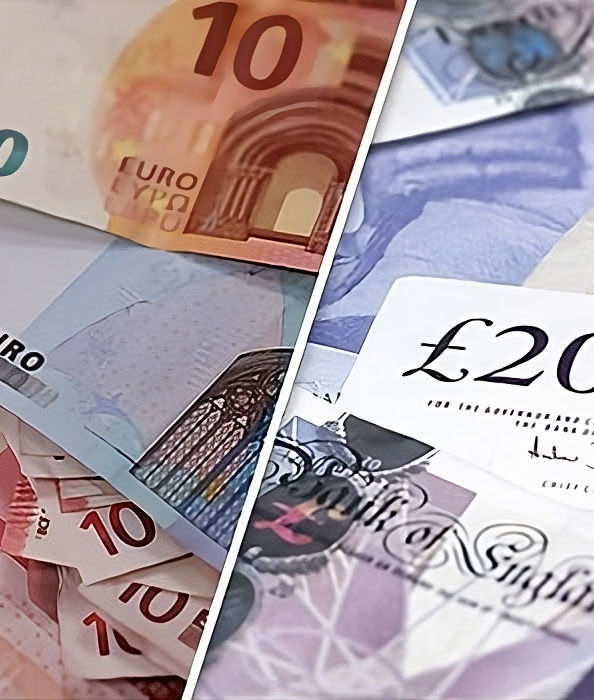
Top 10 Tips On Payment Method In Terms Of Exchange Rates And Currency.
In the current global economy, choosing the appropriate payment method is vital to successfully managing financial transactions whether you're on the road, conducting business, or assessing investments. Costs, convenience, as well as security can be affected by the payment method you choose. Different payment methods come with different charges, exchange rates, and acceptance level, which can affect the overall experience and the financial results. Knowing the subtleties and distinctions of payment methods can aid you in making decisions that align with your objectives. Here are the top ten essential tips to selecting the right payment method for your financial objectives.
1. You can choose among a number of payment methods
Familiarize your self with the various payment options available, such as cash, credit/debit cards, mobile payments, digital wallets. Each option has both advantages and disadvantages with regards to convenience, costs or acceptance. Cash, while widely accepted and convenient for small transactions, is less secure. You can pick the most suitable method to suit your needs by considering the pros and cons of each.
2. Consider Currency Conversion Fees
– When using credit or debit cards for international transactions, you should be aware of currency conversion fees that might be applicable. The amount of these fees can differ greatly between credit card and bank companies. Some cards charge an international transaction fee, whereas others do. If you're planning to travel abroad or make purchases overseas, contact your bank or credit card provider prior to your trip to find out their policies regarding currency conversion charges. Select cards that will minimize these fees.
3. No foreign transaction fee credit cards
Select credit cards that do not charge a foreign transaction fees if you plan to travel internationally or buying items using foreign currencies. A majority of credit cards that are geared towards travel offer this advantage that allows you to use your card abroad without incurring additional costs. This could result in substantial savings for frequent travelers as well as those who purchase large amounts abroad.
4. Utilize mobile phone choices
Mobile payment services, like Apple Pay, Google Pay and other digital wallets provide an easy method of conducting transactions without having to carry credit or cash. They typically come with enhanced security features, such as biometric authentication and tokenization that make them a secure choice for in-person and online transactions. If you're looking to lower your expenditure, think about using mobile payments, particularly for purchases of a small amount.
5. Be aware of ATM Fees When You Draw Cash
Be conscious of ATM fees while traveling. They can be very different. Some banks charge withdrawal fees for international transactions, whereas some may partner with local banks to eliminate withdrawal fees. You can save money by looking into ATM networks with low fees. You are also able to withdraw larger amounts to minimize the transaction cost.
6. Plan to find alternative payment methods
If your primary payment method does not work or gets lost, having a backup is crucial. Keep a backup card (credit/debit), some cash or an option for mobile payments on hand to ensure you can continue buying. This redundancy is especially important when traveling, as certain areas may not be able to accept all payment methods. Be prepared to prevent any unanticipated situations.
7. Monitor Exchange Rates and Make Better Decisions
If you're making purchases in foreign currencies, keep an eye on the exchange rates so you can make an informed decision on whether or not you should convert your currency. Apps and tools that track real-time currency rates are a good way to determine favorable conditions. This information will help you make the right choice of payment method particularly if you are able to save on the costs associated with conversions.
8. Be Aware of Security Features
Security is an important consideration when choosing payment options. Take a look at the security features that your bank, platform or credit card company offers. Find fraud protection options including transaction alerts, transaction monitoring and encryption technology. Making sure you use secure payment methods to safeguard you from fraud and unauthorized transactions, especially when purchasing online or overseas.
Reviewing Payment Policies for business
Understanding the payment policy can be crucial to managing the flow of cash. Examine the costs as well as features and acceptance rates of various payment processors. You should choose one that's in line with your business goals, be it low transaction fees, quick processing times, or convenience for customers. A well-chosen payment method can increase customer satisfaction and simplify your business.
10. Get to Know the methods of investment payments
For investors, knowing how to pay for or selling assets is essential. Different brokerage platforms offer various options to fund your account or executing transactions. You must be aware of charges and processing delays that are associated with the various payment options. Be aware of the effect of margin accounts and leverage investments on your financial plan.
The following detailed advice for payment methods will assist you in navigating the maze of traveling, doing business and keeping track of your investments. Understanding the different options along with the associated fees as well as security features can help you make better financial decisions. A reliable payment option will make your life easier and help you save money. It will also give peace of mind in your financial transactions. Take a look at the most popular HUF to EUR hints for website examples including dollar to rmb, pound to usd, currency converter, usd mxn, us to baht, indian rupees to usd, us dollar to pakistani rupee, us to baht, mexican peso to usd, usd to inr and more.