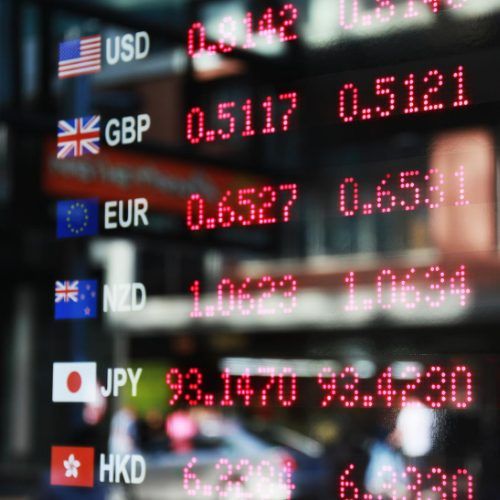
Top 10 Tips On Currency Conversion Rates And Fees
The cost of conversion to currency is a major issue in today's world-wide economy, regardless of whether you travel abroad to conduct business or manage investments in foreign currencies. The cost of these fees vary widely based on the currency, the exchange method used, and also the company that you use. If you are able to understand these charges, you will be able to save money and make better choices. These are the top ten currency conversion tips that will help both travelers and businesspeople.
1. What are the types of conversion fees?
Currency conversion charges can take many types. These include transaction fees as well as service fees. The transaction fees are set for each exchange. Service charges can comprise a percentage of the amount that is converted. Exchange rate marksups occur when a provider offers a lower rate than the market rate. You can find the best option for your requirements by learning with these kinds of charges.
2. Compare rates from a variety of providers
Compare rates before you decide to exchange money. Fee structures and exchange rate can differ between banks, currency kiosks and online platforms. Use currency converters for real-time rates, and also to calculate the total cost including fees. This comparison can assist you in finding the most favorable price and could save you an enormous amount, particularly when exchanging larger sums.
3. Currency exchanges that don't have any fees are among the best options to consider
Some financial institutions and banks offer accounts that include free currency conversion or reduced costs on certain transactions. Online banks and fintech firms for instance, frequently offer currency conversions at no cost to customers with accounts. Consider opening an account with one of these organizations especially if you are regularly dealing in foreign currencies.
4. Beware of DCC charges
When you make a purchase using your credit card or debit cards from abroad, a program named Dynamic currency conversion might give you the option to use your currency at home. It may sound convenient, but it is often the cause of higher conversion fees or unfavorable rates of exchange. If you want to avoid additional costs and enjoy the most favorable exchange rates, make payments using your local currency.
5. Utilize Credit Cards without Foreign Transaction Costs
Credit cards that do not charge foreign transaction fees are a great way to save money when traveling. This is a benefit that is offered by many travel-related credit cards. You can make purchases overseas without incurring extra charges. Choose a credit card according to your individual spending habits, and one with a favorable exchange rates. This can reduce travel costs.
6. Consider ATMs when withdrawing currency
If you use ATMs, they can offer lower rates than exchange kiosks. Be aware of the charges imposed by your bank, as well as the ATM operator. If you're looking to cut costs, you should use ATMs with your bank. You can also withdraw cash in local currency to avoid currency exchange charges.
7. Plan to plan in Advance for Currency Conversion
Avoid exchanges for currency in airports, tourist areas, or other places where the fees can be more expensive. Prepare ahead and avail of lower prices and higher exchange rates. Consider researching the best local currency exchange options. Exchange a small amount for immediate expenses prior to leaving to return, and then convert a larger amount at better exchange rates once you arrive.
8. Monitor Exchange Rate Trends
It is possible to determine the most efficient moment to convert currencies by watching for any changes to exchange rates. Changes in exchange rates could lead to varying costs and fees as such, so keeping track of these trends will allow you to plan your conversions in a strategic manner. Use previous data to guide your decisions and take advantage of favorable conditions.
9. Incorporate hidden fees to transactions
Be aware of any hidden charges. There are a variety of fees that could include service fees, foreign currency account maintenance charges, or even unfavorable conversion rates. Be sure to ask questions and read the fine print to make sure you fully understand the cost of currency conversion. This will help avoid unexpected costs and assist you in making better financial choices.
10. Get financial advice from experts before making major transactions
Get financial advice from experts if you are dealing with large transactions or complex transactions involving currency exchanges. Experts in currency provide valuable insight into how to reduce the cost of conversion and improve your transactions. This is essential, particularly for businesses or investors who engage in international trade.
Use these guidelines to navigate the complexity of currency exchange, regardless of whether you're traveling across the globe, doing business abroad or managing foreign currency investments. Understanding conversion fees can assist you in making more informed financial choices that will align your goals with your business and personal goals, saving you money. Have a look at the best us examples for website examples including japanese yen to usd, us dollar to pkr, cdn to usd, usd to peso, pesos to us dollars, pound to dollar, usd to indian rupees, us dollar to mexican peso, usd to pakistani rupee, yen to us dollar and more.
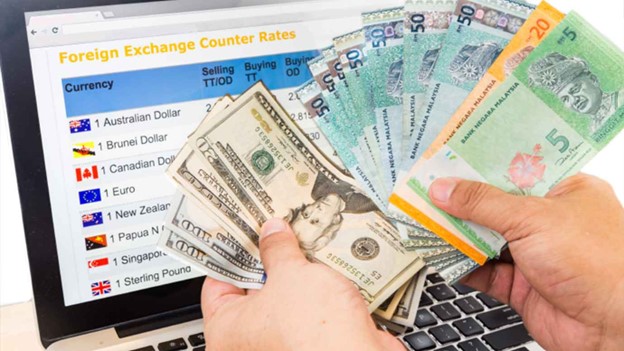
Top 10 Tips For Security And Reliability Of Currency Rates And Exchange
Security and reliability are essential in a world increasingly interconnected. This is the case for everyone who is involved with travel, doing business and managing investments. Being aware of the reliability and security of the various systems is vital to safeguard assets and ensure the smooth functioning. Becoming familiar with security protocols can help reduce risk, and make your experience with your finances more enjoyable. Here are the top 10 essential tips for managing your finances with security and trustworthiness.
1. Research Your Destination to Learn about Safety Standards
Before leaving, be sure you research the safety and security conditions at your destination. Understanding crime rates, political stability, as well as health risks are essential. The information on safety is available on websites like those of U.S. Department of State and travel advisory services. Knowing what to expect can assist you in making a well-informed decision about the best place to stay and how to navigate your way safely.
2. Utilize Secure Payment Methods
Use secure payment options for transactions, including transactions that are conducted overseas. Credit cards offer greater fraud protection when compared with debit cards. They are also typically equipped with security features like chips, fraud alerts and so on. Consider making use of mobile payment systems or digital wallets with tokenization and encryption to secure your financial data when making transactions.
3. Make sure you use strong passwords and two-factor authentication
If two-factor authentication is available, use it. This adds an extra layer of security, requiring that you authenticate your account using a different method, like the use of a mobile app or text message in addition to the password. Always update your passwords, and avoid sharing them to protect your account.
4. Secure your devices
When you travel, make sure that your devices are safe. Make use of biometric locks, password protection or PINs to ward off unauthorized access. It is recommended to avoid public WiFI networks to conduct sensitive transactions. They are susceptible to hacking. Consider using a VPN to protect your online data and secure your internet connection.
5. Beware of scams involving phishing.
Scams like this are very common in today's digital age. They can target businesses as well as travelers and investors. Be aware when clicking links in messages or emails that come from untrusted sources. Verify the legitimacy of any request before you give any personal or financial details. By educating yourself on typical phishing scams and techniques, you can stay away from scams.
6. Choose Reliable Providers
If you're looking to choose a hotel, financial institution or an investment platform, prioritize trust by studying customer feedback and reviews. Consider institutions with a an excellent reputation for customer service and security. Check if they are licensed or not by the relevant authorities. This will give you an understanding of their credibility and their adherence to standards.
7. Regularly Monitor Financial Accounts
Keep an eye on your account's financial transactions for suspicious transactions or unauthorised transactions. Set up alerts to inform you when your account is changed, if you have significant withdrawals or transactions. Regular monitoring allows you to spot fraud before it is too late and take action.
8. Consider Insurance Options
– For travelers, understanding the options for travel insurance is essential for ensuring security and reliability throughout your trip. Look for policies that cover trip cancellation, medical emergencies and stolen or lost belongings. Look into insurance policies that cover cyber-attacks, liability claims, and losses to assets for businesses and investors to reduce financial risk.
9. Stay up-to-date with Regulatory Compliance
Being aware of the regulatory requirements when doing international business or investing is crucial for ensuring your safety. Different countries have differing regulations when it comes to the protection of personal data and financial transactions. Be familiar with these rules to avoid legal problems and protect your investments from risk.
10. Continue to learn
– Security threats and technological advancements are constantly evolving. The attending of webinars, workshops, and security-related training are all ways to stay up-to-date. Being aware of the most recent security threats and measures will allow you to improve your security strategies and strengthen your overall security when it comes to business, travel, and investment activities.
It can make travelling, doing business, and managing investments easier by following these suggestions. Knowing the security measures you need to take and selecting reliable partners will allow you to make a well-informed choice which will improve your experience as well as protect your assets. The importance of trust and security can help reduce risk, regardless of whether you plan to travel abroad, expand your business overseas, or manage investments. Have a look at the top rated euro blog for site info including usd to jpy, currency exchange, pesos to dollars, thb to usd, usd to jpy, dollor to inr, euro usd, pound to usd, usd to cad, us dollar to colombian peso and more.